
Dogs can’t tell you, in words, how much they adore you, but they express their devotion in a multitude of ways. These are some of the signs of your unshakeable bond...
You don’t need a card or flowers to know that your pet loves you. That feeling is there any time they gaze into your eyes, or weave through your legs, or lay an understanding paw on your arm. And don’t let anyone try and tell you otherwise – research into dogs confirms that our pets form deep relationships with us.
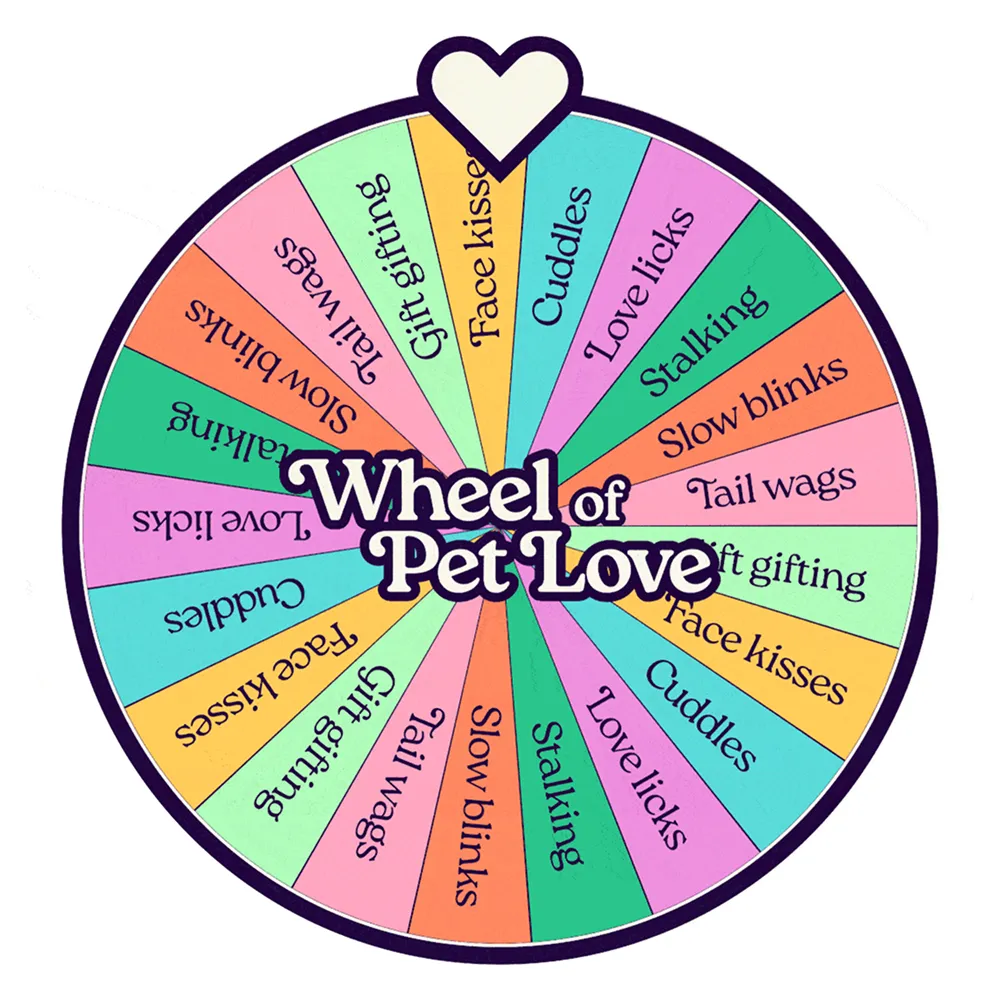
Dogs produce a bonding hormone when they’re enjoying a long, deep stare into their pet parents’ eyes. This is unusual in some ways, as dog-to-dog gazing would be confrontational. Other ways that dogs show humans affection such as leaning or sitting against us, or sharing toys, are behaviours that don’t happen in wolves in the wild. Domestic dog love language is as personal to them as human love language is to us.
It’s a reminder that our relationship between us and our pets is unique. Of course, pets themselves are also unique. You might have a bed hog dog, or one that prefers to have a single foot resting on you at all times. Here are some of the main signs your dog loves you.
The lickers
We’ll start with the most obvious doggie expression of love: licks.
This comes from early social behaviour, when pups are soliciting food, signalling appeasement or building social bonds. Licks accompanied by relaxed body language are one of the biggest displays of affection – whether it’s frenzied face kisses when saying hi or gentle licking as a sign of comfort. Oh, and don’t forget ‘cobbing’: the nibbles dogs give as another way of showing love.
The stalkers
We’ve all met them: the dogs that can’t bear to be away from you, even for a second, even if you’re trying to take a shower.
Dogs evolved from social, group-living ancestors, so it feels natural for them to stay close to key members of that group as a way of sharing information, bonding and feeling safe. Their pet parent is their safe space and their number one emotional attachment, which means they feel calmer when you’re around. Knowing that, you can forgive them for trailing you round the house…..
The constant connectors
You might think they’re just stealing some warmth from you, but if your dog insists on having at least one part of their body touching yours at all times, they’re actually seeking connection and reassurance (the warmth is just a nice extra).
In the wild, this contact supports group dynamics, communicates bonding and emotional security and increases their feeling of safety during rest. If it’s paired with a deep (and probably quite dramatic-sounding) sigh, that’s another sign of emotional release, and a way of expressing how relaxed they feel with you.
The waggers
A dog’s tail says a lot of different things, and learning to decode when your dog is saying ‘I’m very excited about this squirrel’ and when they’re saying ‘I just really love you right now’ is a learning process.
Depending on the rest of the body language context, that excited, back-and-forth wag is often a sign your pet is having some big feelings, and can be the prelude to kisses and joyful reunions.
However, a slow wag with the tail held low might indicate uncertainty or caution. It’s crucial to observe other signals such as ear position and posture to accurately interpret their emotions. Dogs are expressive creatures, communicating joy, curiosity, or even anxiety through their tails. By being attentive to these cues, owners can better understand and respond to their pet's needs, strengthening the bond and ensuring a trusting relationship over time.
The relaxers
Be honest, how many photos do you have of your dog lying on their back, all four paws in the air? Often called "roaching", this is a major sign of love, because it’s a vulnerable body position that shows they feel completely safe with you, their trusted human.
In fact, any body postures that leave your pet more open – such as turning their back to you – are signs of deep security. When dogs expose their bellies or rest their heads on your lap, it indicates a strong bond and trust. This behaviour is not only adorable but also a testament to the comfort and affection they have for you. By recognizing these gestures, you can understand the special relationship you share with your loyal companion.
The gifters
Some dogs’ love language is all about bringing you presents. We can’t promise it won’t be a pair of old socks, or something they’ve just fished out from behind the couch, but if they love to find and present you with objects, that’s another way of showing affection.
For dogs, this is sharing behaviour and comfort-seeking, as well as a way of initiating interaction.
Your pet might do all of these things, or maybe just one. Once you know what to look for, however, you’ll probably notice more and more subtle behavioural signals, and ways your pet displays their devotion.